Real Estate • Product Strategy • Platform Design
Structuring a multi-role real estate platform around how people actually discover, evaluate, and list property.
Realestify needed more than a better-looking property website. The product needed a clearer system for discovery, trust, listings, multiple user roles, and operational management.
Industry
Real Estate
Scope
Brand, Website, Marketplace, Product UX
Role
Product & Platform Strategy
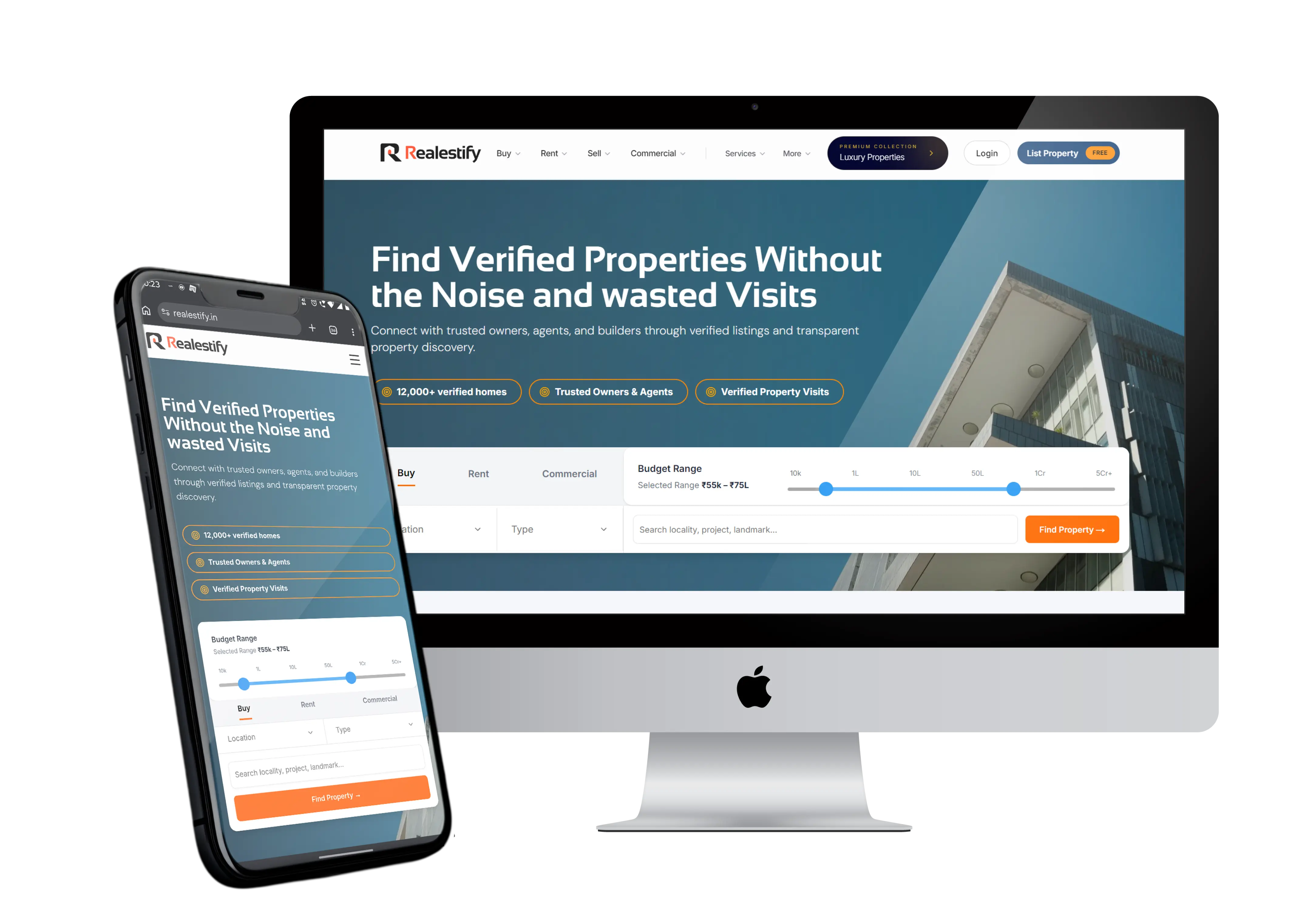
+30%
Conversion improvement
The redesigned experience improved conversion by 30%.
New users
Property listings
New users began listing properties through the redesigned platform.
1 system
Across multiple roles
Discovery, listing, administration, and operational workflows were brought into one connected product ecosystem.
The starting point
The business had information.
The experience needed structure.
The previous experience contained the necessary property, service, and trust information, but the journey was fragmented. Visitors had to work too hard to understand the offering, evaluate properties, and decide what to do next.
That became more important as the platform expanded beyond a simple property website into a system involving buyers, property owners, agents, and administrators.
The opportunity was not to add more features. It was to create a clearer relationship between discovery, trust, and action.
The problem
Real estate was not one workflow.
It was several.
Buyers needed discovery. Property owners needed a way to list. Agents needed operational visibility. Administrators needed control over listings, users, and platform states.
Discovery
Property discovery needed a clearer hierarchy so users could understand what mattered without fighting through information.
Trust
Verification, property information, and credibility signals needed to become part of the experience rather than separate layers.
Multiple roles
Buyers, agents, property owners, and administrators needed different workflows without fragmenting the platform.
Operations
Listing management, moderation, permissions, and platform administration needed a more structured system.
The transformation
From a service-heavy property experience
to a connected product system.
The redesign connected the brand, marketing experience, marketplace, listing flows, user roles, and operational infrastructure into one clearer product system.
Before
Information without a clear journey.
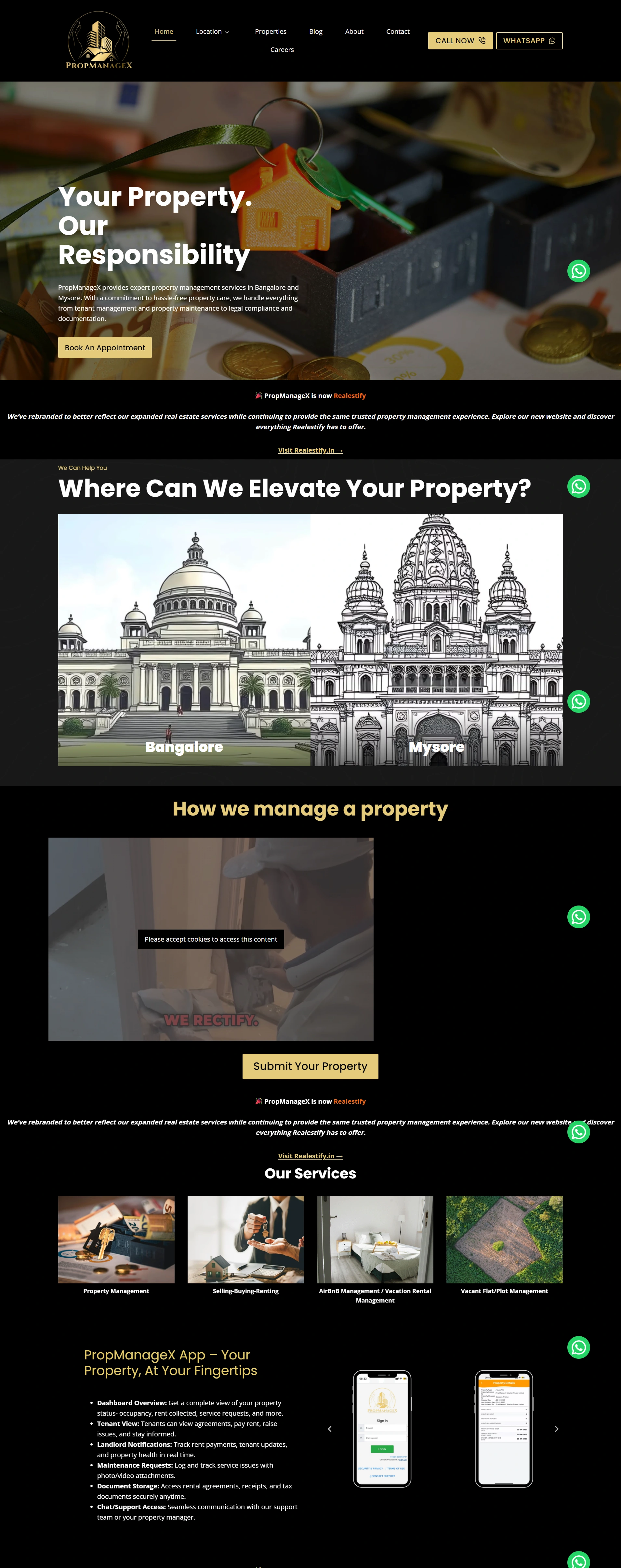
Fragmented discovery
Users had to work harder to understand the offering and find the right next action.
Weak action hierarchy
Property information existed, but the journey from interest to action was not clearly structured.
After
One system connecting discovery and action.
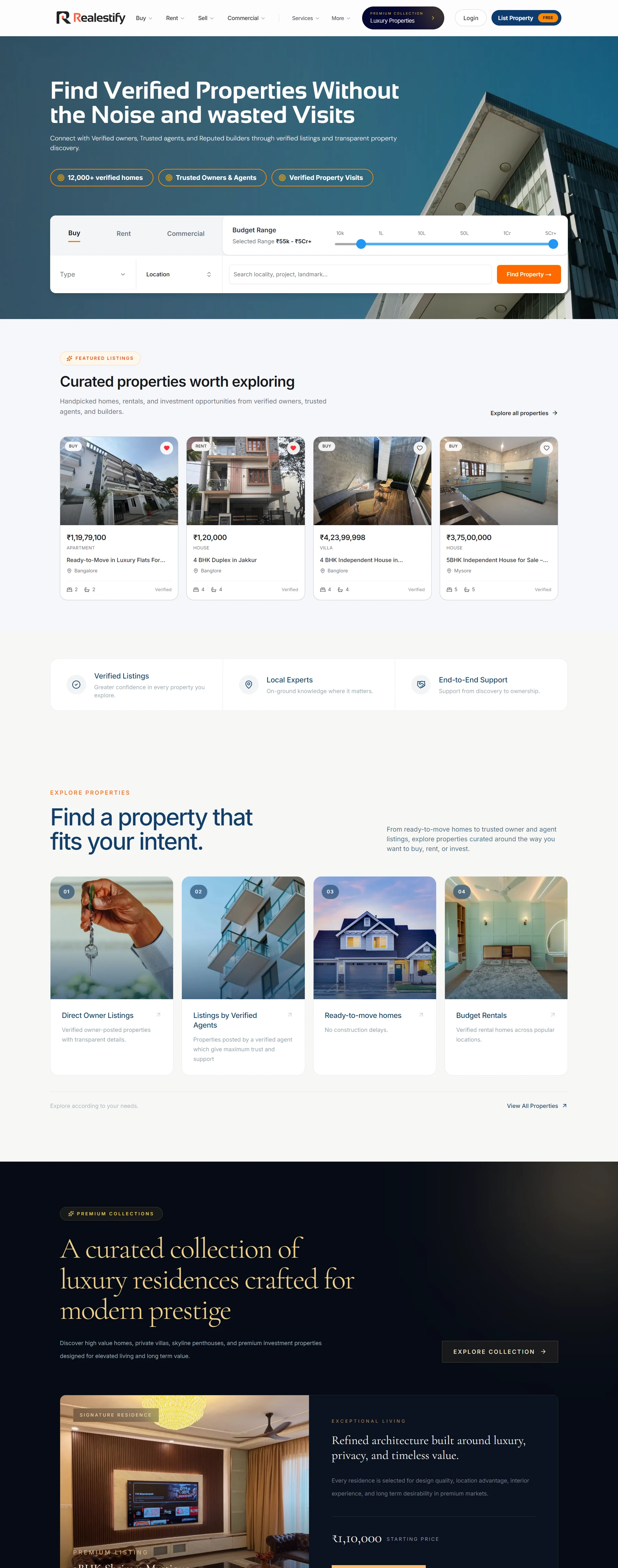
Clearer discovery
Property hierarchy, search, content, and actions were structured around user intent.
Stronger conversion paths
The redesigned system made it easier for users to move from discovery toward meaningful action.
Measured result
The redesigned experience improved conversion by 30%.
Product strategy
The interface followed the system.
Discovery should lead users toward decisions, not simply expose inventory.
Trust signals should appear where users make decisions.
Different roles should share one product system without sharing identical workflows.
Operational complexity should remain inside the platform instead of leaking into the user experience.
Product system
One platform.
Multiple ways to use it.
Realestify was structured around the relationships between properties, users, roles, listings, verification, and administration rather than treating each interface as an isolated screen.
01
Discovery
Search, browse, compare
02
Property
Details, media, location
03
Action
Enquiry, listing, follow-up
Operations
Property management, moderation, verification, and platform administration.
Roles
Buyers, agents, property owners, investors, and administrators.
Trust
Verification, structured information, visibility, and governance.
Operations
The complexity moved behind the interface.
Realestify was not only a marketplace. It needed infrastructure for the people operating it, managing users, reviewing listings, verifying agents, and keeping the platform moving.
Admin system
One operational layer for managing the marketplace.
Administrators needed visibility across users, listings, verification requests, and platform activity without jumping between disconnected tools.
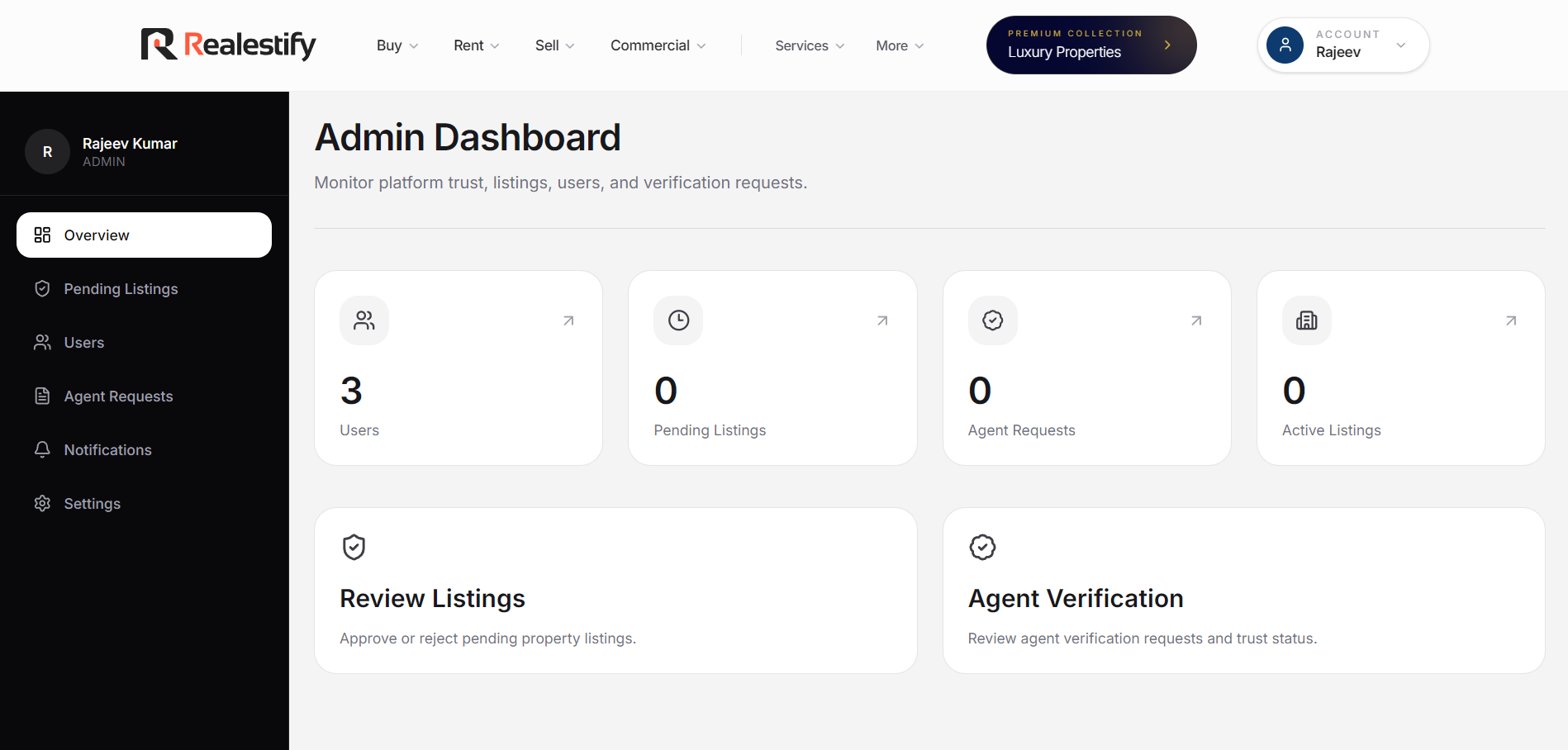
User management
Different roles, one connected system.
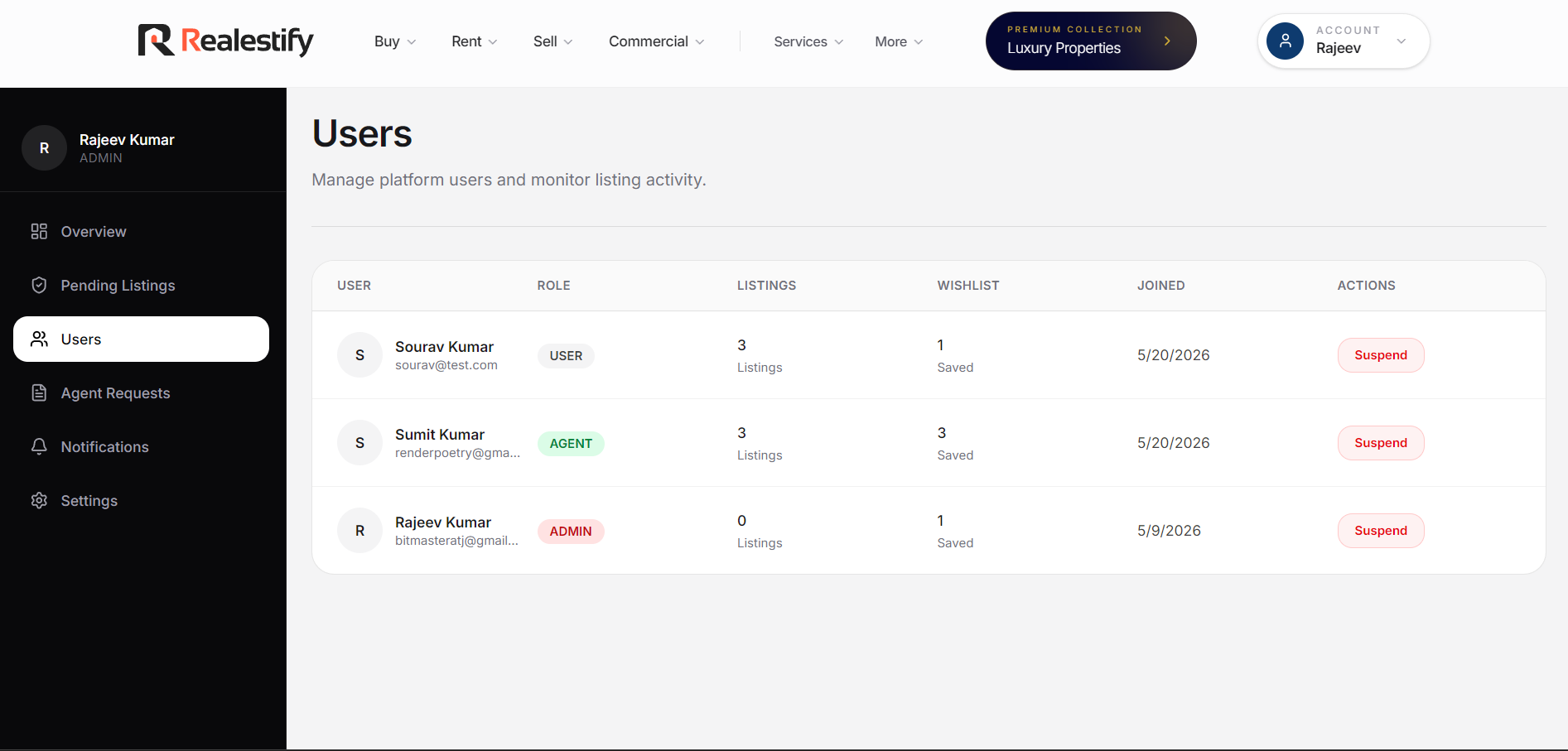
User management
Listing review
Agent verification
Platform activity
Listing workflow
The marketplace also needed a way to grow itself.
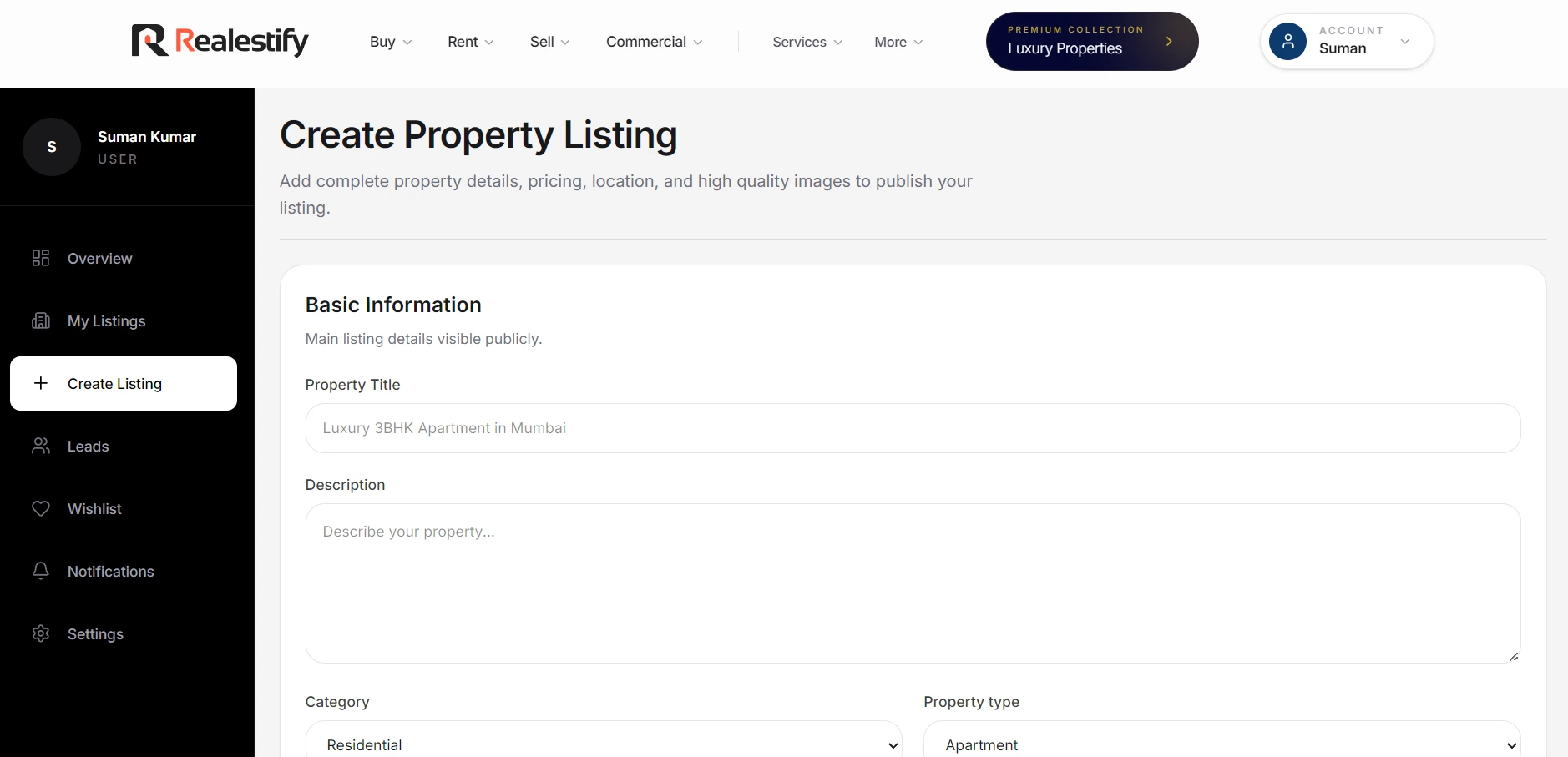
Property owners and agents needed a clear path from entering property information to publishing and managing a listing. The workflow turned that process into a structured part of the product.
Create listing
Turning property information into structured inventory.
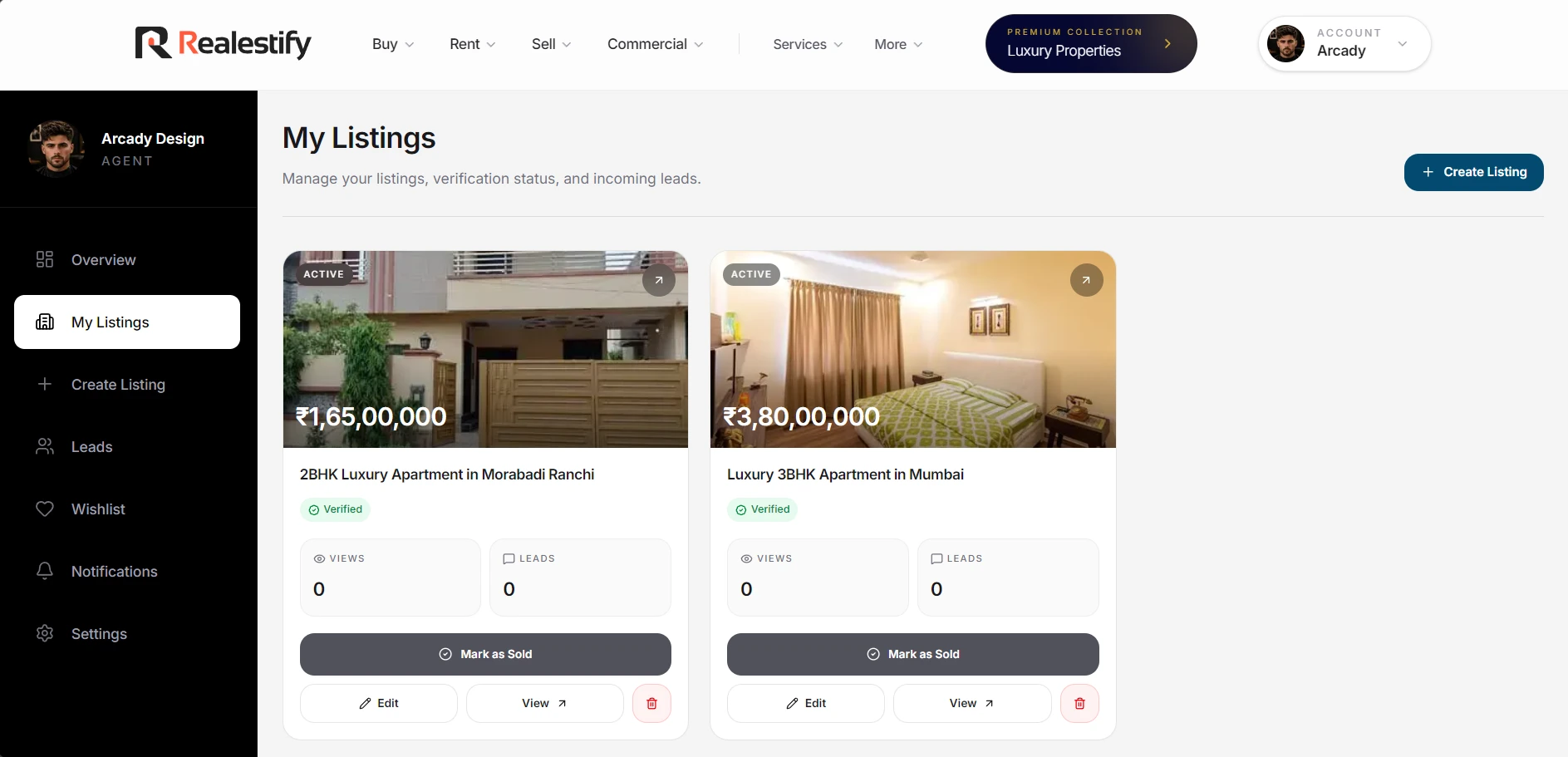
Manage listings
Giving agents control after the listing goes live.
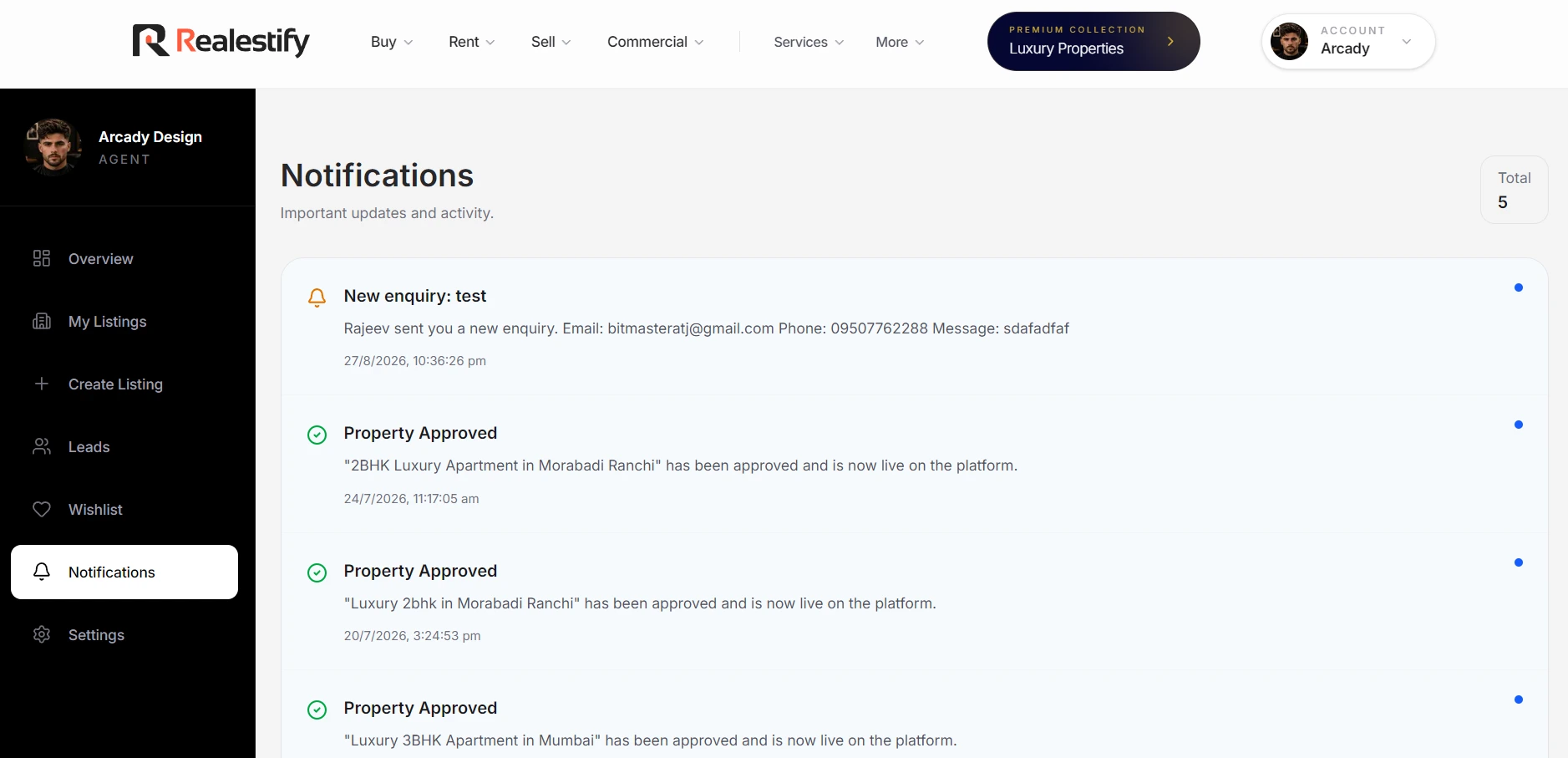
Notifications
Keeping users informed as the system changes.
Listings do not exist in isolation. Enquiries, approvals, and property status changes create events that users need to know about. Notifications brought those changes back into the workflow.
Create
Add property details, pricing, location, and media.
Review
Listings move through the platform's operational checks.
Manage
Agents monitor listings, views, leads, and status.
Discovery
Helping users find the right property faster.
Discovery was structured around intent rather than simply exposing more listings. Search, categories, property cards, and content hierarchy were designed to make evaluation easier.
- Clearer property hierarchy
- Structured search and filtering
- Reduced visual noise
- Stronger calls to action
- Decision-focused property information

Evaluation
Trust had to appear where decisions happened.
Property information, imagery, location, amenities, and supporting signals were brought together into a clearer evaluation experience.
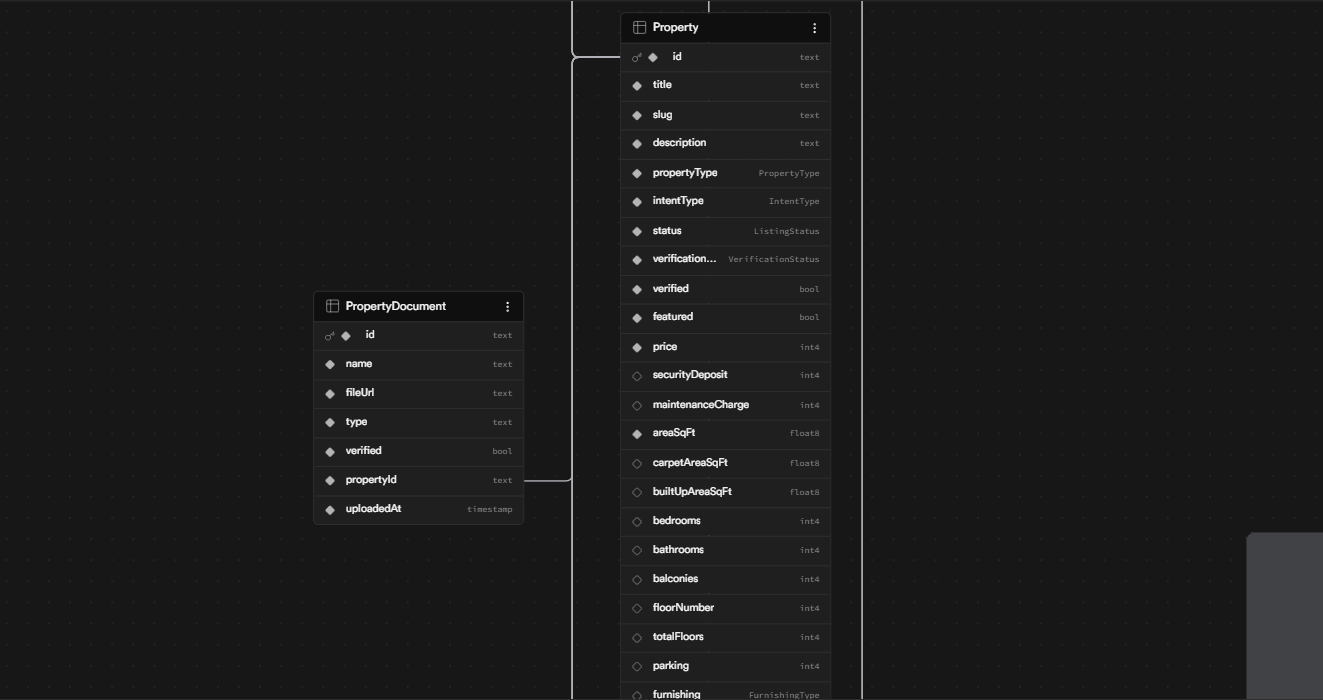
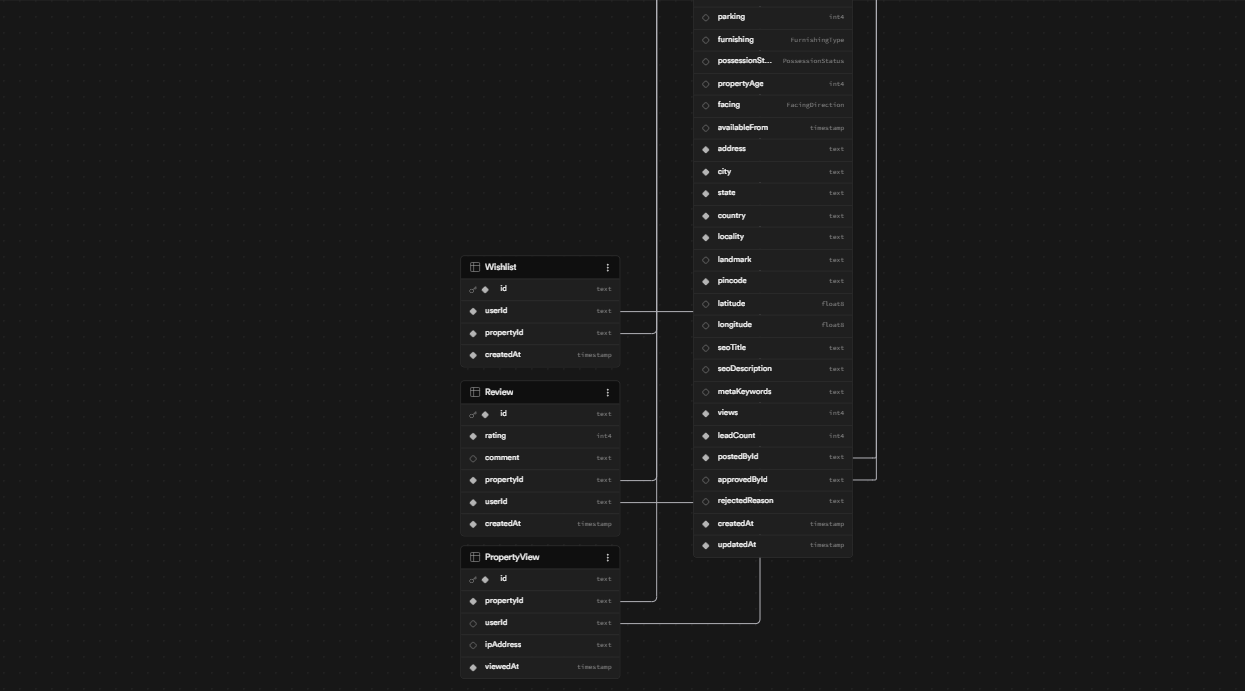
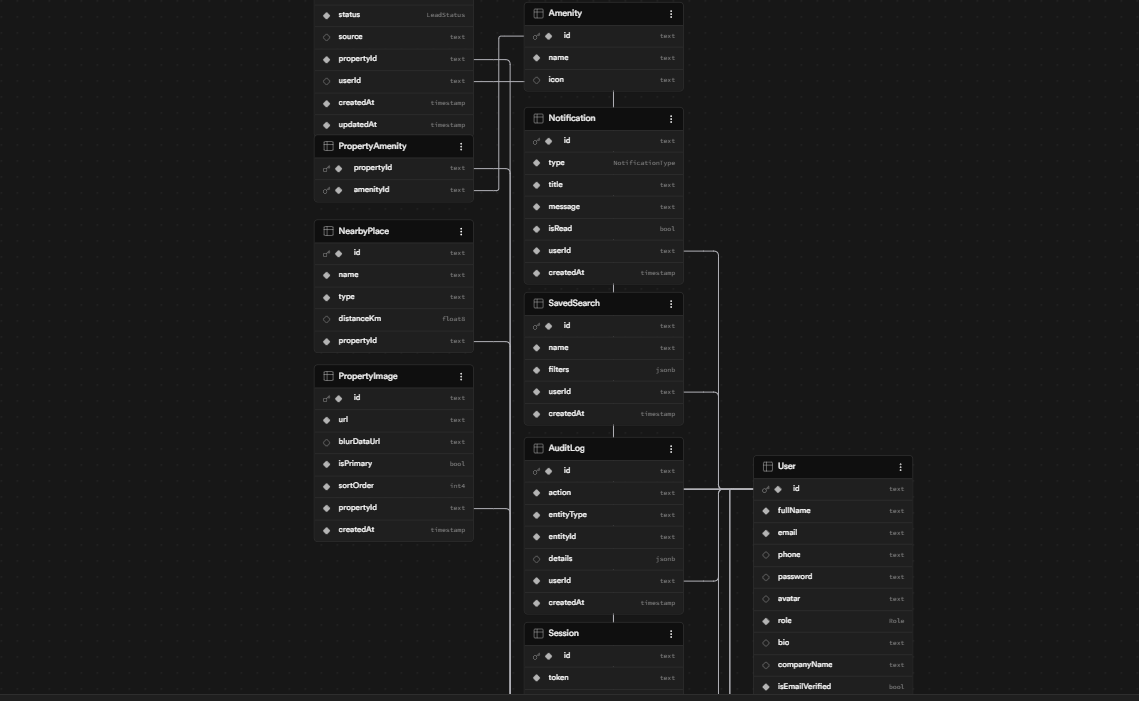
Product architecture
The system was designed around relationships, not screens.
Properties, users, listings, roles, verification, and operational states needed to work together. The underlying product architecture supported that relationship.
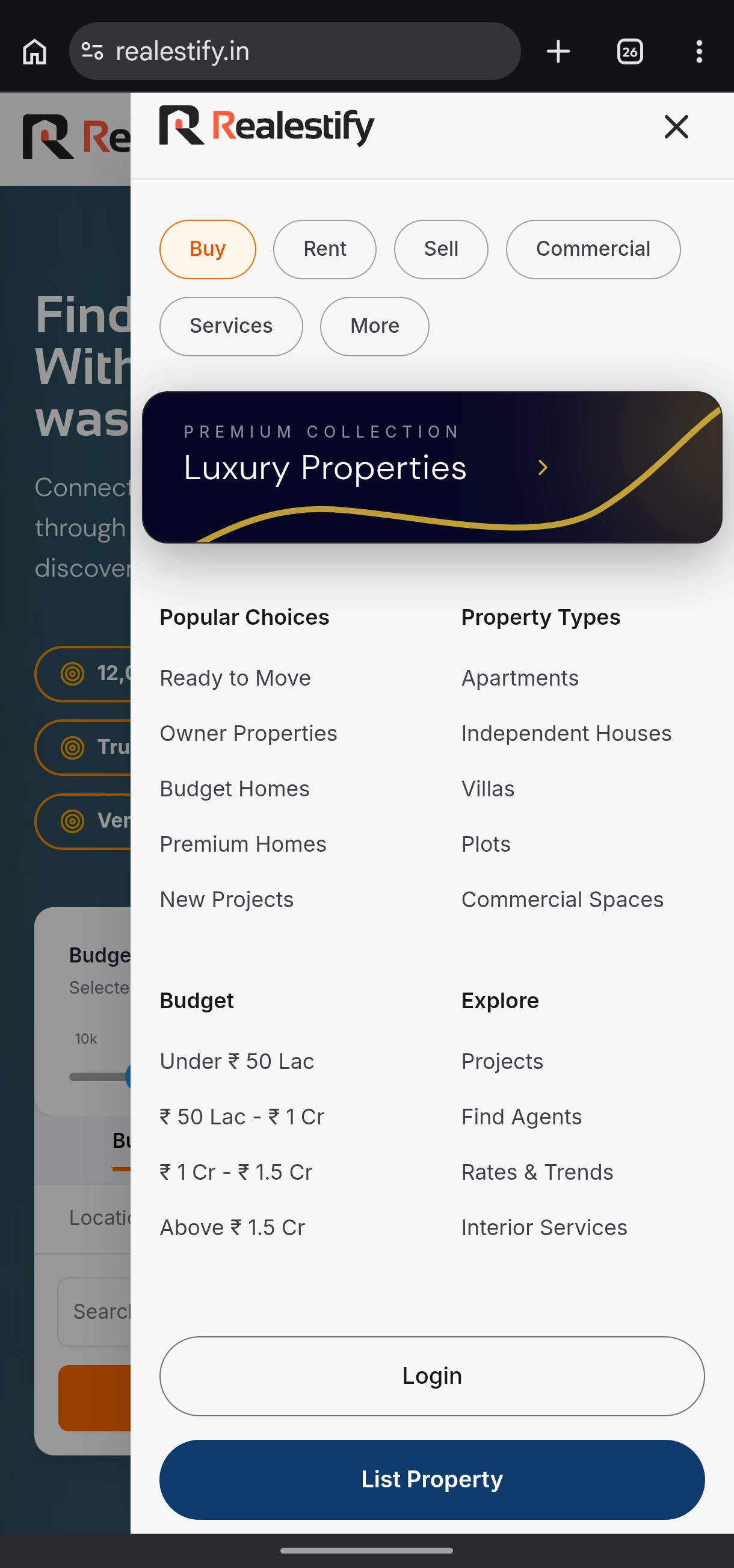
Mobile
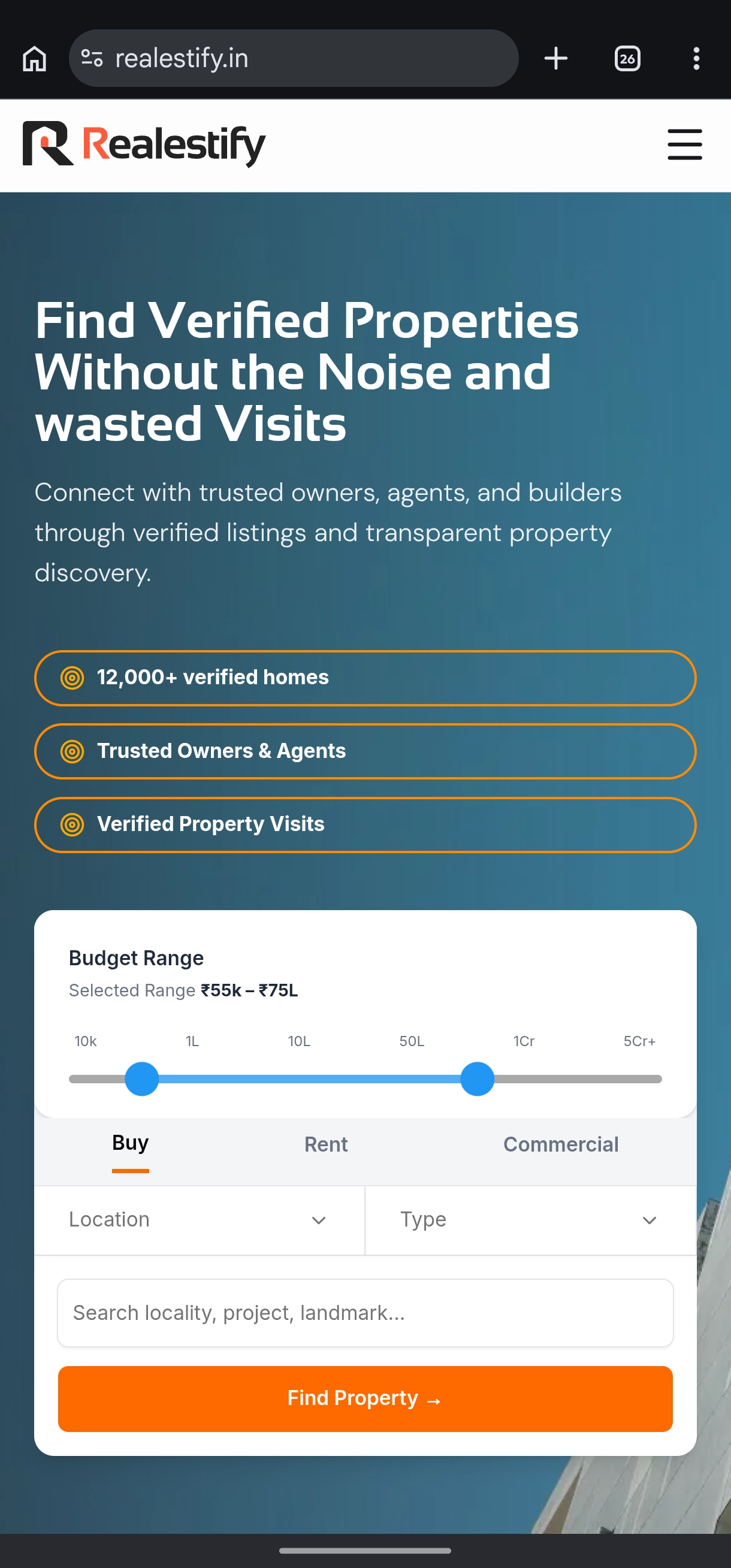
The same product logic carried into smaller screens.
Mobile experiences focused on discoverability, navigation, and the actions users need most often.
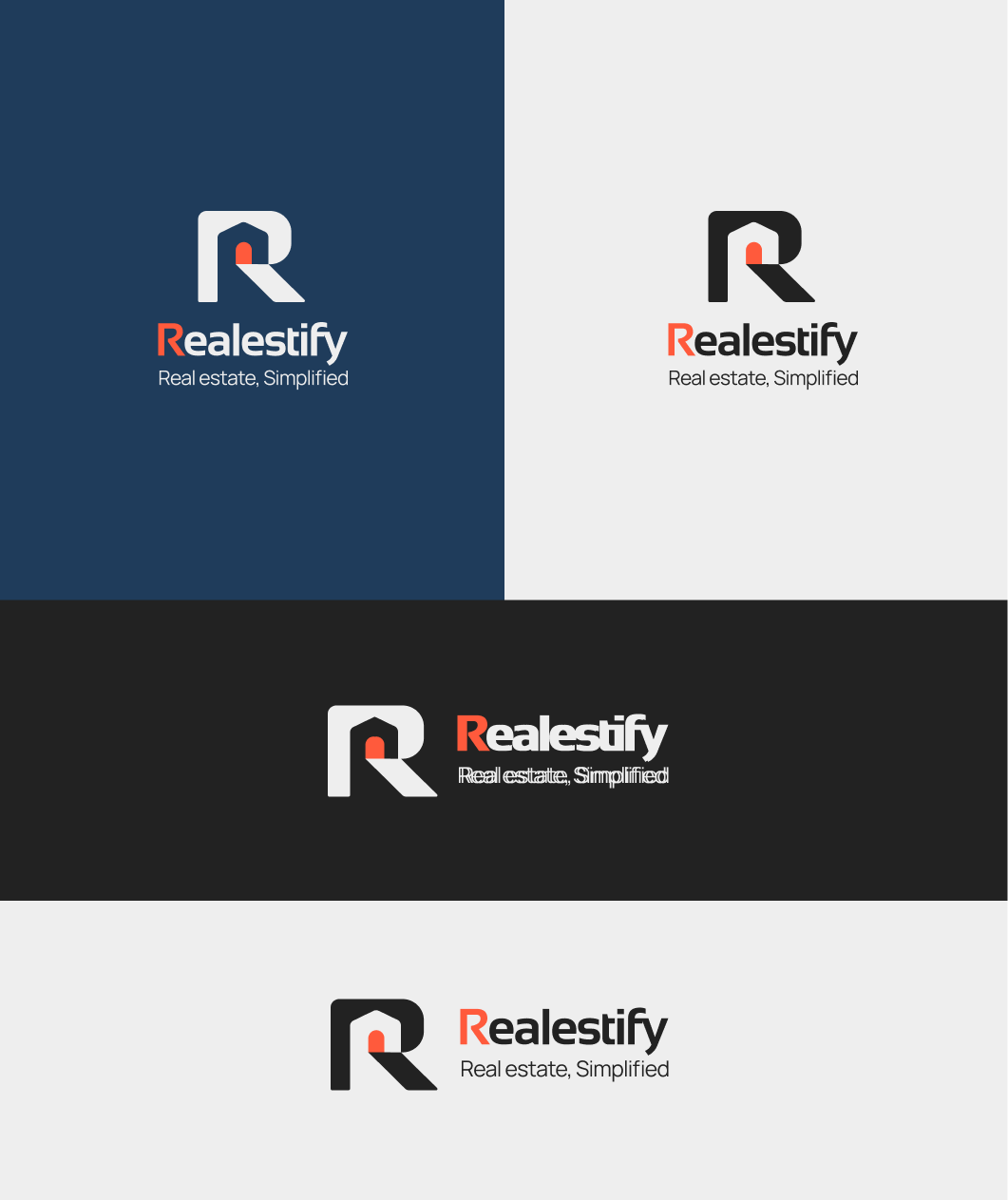
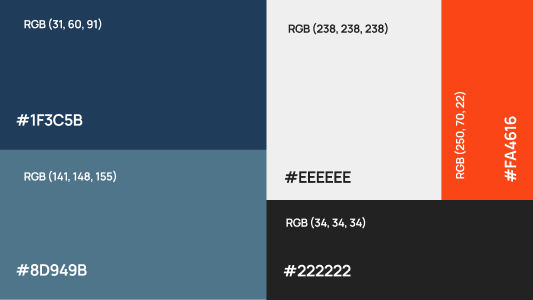
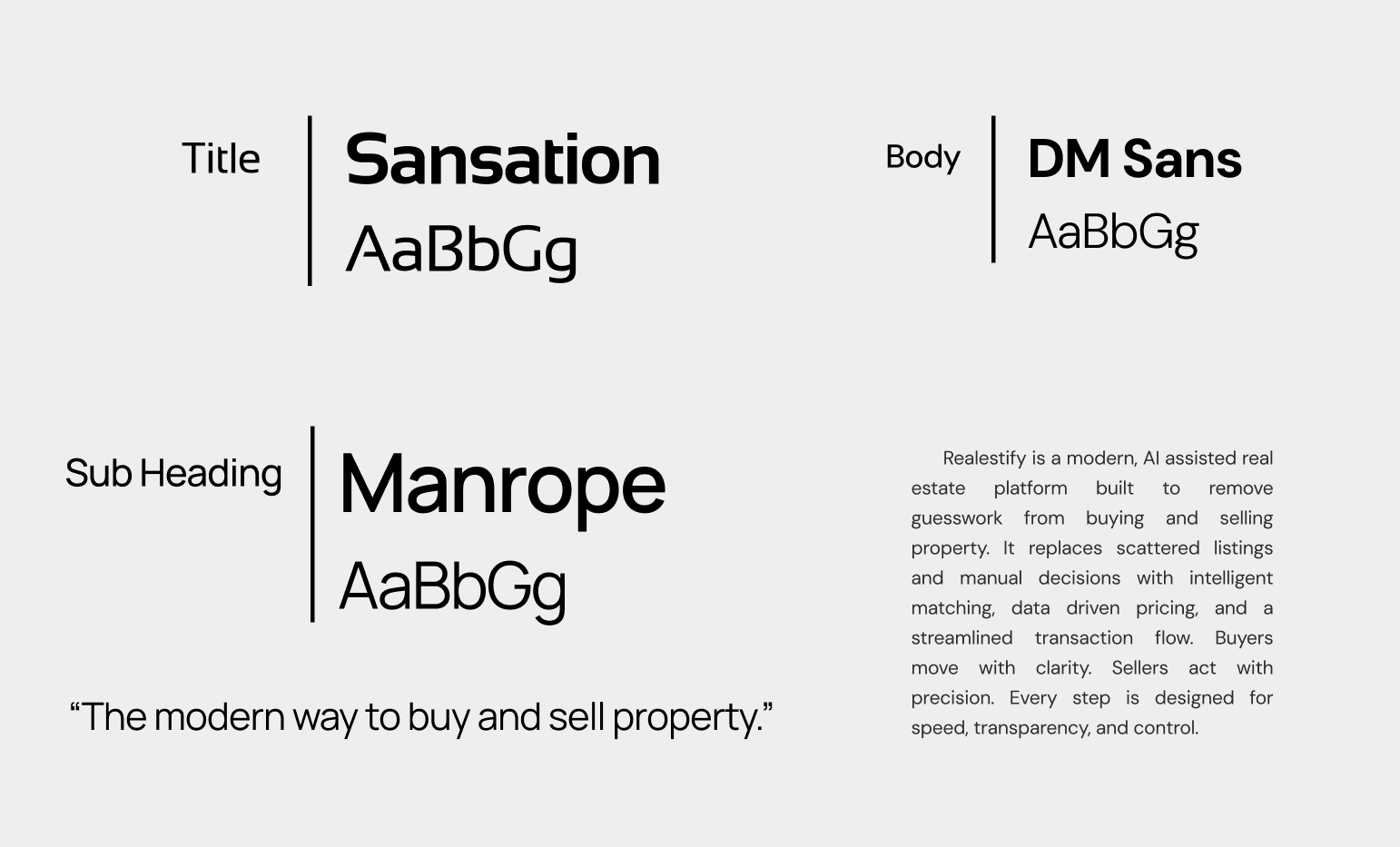
Brand system
The brand needed to make the platform feel credible.
The identity system was built to support the same qualities as the product: clarity, credibility, modernity, and confidence.
Business outcome
The redesign changed how people moved through the platform.
The work was not only about making Realestify look more credible. The new product structure created clearer paths from discovery to action, while giving the business a stronger foundation for operational growth.
Conversion
+30%
Conversion improved after the new experience was introduced.
Marketplace behavior
New users started listing properties.
The platform began generating the behavior the business needed, not just presenting information more effectively.
What changed
From website redesign
to product restructuring.
Before
Information-heavy experience
After
Clearer decision paths
Before
Disconnected trust signals
After
Trust integrated into workflows
Before
Separate user needs
After
One system with role-specific flows
Before
Service-led presentation
After
Product-led marketplace experience
Before
Growing operational complexity
After
Structured operational infrastructure
The takeaway
A complex real estate platform does not need to feel complex to the people using it.
The strongest product systems hide complexity behind clear hierarchy, understandable workflows, and confident decisions. That became the foundation of the Realestify experience.
Selected work
Explore another complex product system.
START A CONVERSATION
Your product can be complex.
The experience shouldn't feel complicated.
Usually replies within a few hours