Most SaaS products are becoming strategically indistinguishable
Modern SaaS products are increasingly difficult to differentiate.
Not because innovation has stopped. Not because founders lack technical ability. And not because products are functionally identical.
The real problem is that most SaaS companies communicate themselves through the exact same visual language, positioning logic, interface behavior, and narrative structure.
The result is strategic sameness.
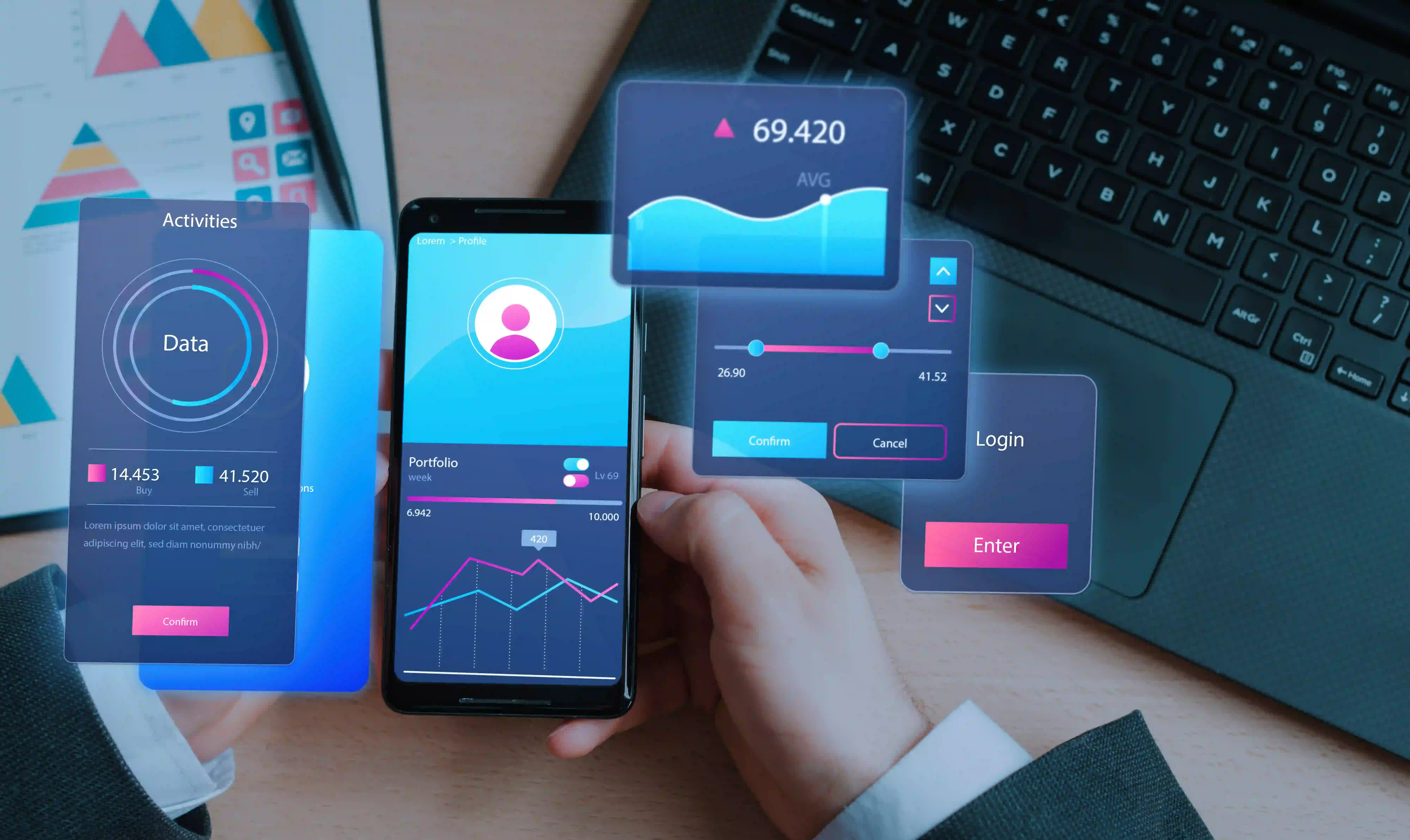
Open ten SaaS websites today and the pattern becomes obvious almost immediately. The same AI gradients. The same dashboard screenshots. The same claims about automation, efficiency, scalability, and productivity. The same vague language about transforming workflows. The same polished UI combined with completely interchangeable positioning.
Everything begins sounding operationally identical.
This creates a dangerous problem because users stop remembering products individually. They begin grouping entire categories together psychologically.
And once that happens, differentiation becomes extremely expensive.
Most products optimize for aesthetics before clarity
A major reason SaaS products feel generic is because teams focus heavily on visual modernization while ignoring strategic clarity.
The product may look polished. The UI may feel contemporary. The website may follow current design trends correctly.
But after viewing the product for thirty seconds, users still cannot answer basic questions clearly.
What exactly does this company do? Who is it truly built for? Why does it exist? Why does it matter instead of the dozens of similar tools already available?
That ambiguity creates forgettable products.
Most teams underestimate how quickly users categorize software mentally. People are constantly compressing products into simplified narratives to reduce cognitive effort. If the positioning feels vague, users default to the nearest familiar category and move on.
The product becomes “another AI dashboard,” “another workflow tool,” or “another fintech platform.”
Once users mentally commoditize the product, attention collapses.
Generic products usually suffer from narrative weakness, not feature weakness
Many founders believe differentiation comes primarily from features.
It rarely does.
Especially in SaaS.
Feature advantages disappear quickly because competitors replicate functionality aggressively. Over time, most operational products within the same category begin converging technically.
What remains difficult to replicate is perception.
How the product is interpreted. How clearly it positions itself. How confidently it communicates operational value. How distinctly it frames the problem it solves.
Strong SaaS companies do not simply explain features. They frame the market differently.
Weak SaaS companies describe functionality. Strong SaaS companies shape interpretation.
That distinction changes everything.
Most SaaS positioning sounds artificially broad
This is another major issue.
Many startups intentionally avoid specificity because they believe broader positioning expands market opportunity. So products begin describing themselves using vague language designed to appeal to everyone simultaneously.
The result usually sounds something like this:
An AI-powered platform that helps teams streamline workflows and improve productivity.
Technically accurate. Strategically useless.
Nothing about that positioning creates memorability because the language contains no tension, no category sharpness, no operational specificity, and no psychological distinctiveness.
The broader the positioning becomes, the weaker the identity becomes.
Strong positioning usually sacrifices breadth for clarity.
Because clarity creates memorability.
And memorability creates strategic leverage.
SaaS products increasingly look designed by the same system
The visual convergence problem is becoming severe.
Especially in:
- AI tooling
- fintech
- analytics products
- workflow systems
- B2B dashboards
- productivity software
Products increasingly borrow from the same interface references, the same onboarding patterns, the same visual hierarchies, and the same landing page structures.
This creates familiarity, which initially feels safe.
But excessive familiarity eventually destroys distinctiveness.
The product becomes visually interchangeable with competitors.
Ironically, many teams believe they are creating “modern” products while actually removing recognizability from the brand entirely.
Modern design systems are useful infrastructure.
But infrastructure alone does not create strategic identity.
Most SaaS products lack operational personality
Operational products do not need exaggerated branding.
But they do need identity.
Many SaaS interfaces feel emotionally flat because every communication layer has been optimized for generic professionalism. The tone becomes sterile. The workflows become emotionally neutral. The positioning loses perspective entirely.
As a result, nothing feels opinionated.
And products without perspective rarely become memorable.
This does not mean operational software should become playful or loud unnecessarily. Especially in high-trust categories like fintech, compliance, infrastructure, and enterprise systems, excessive expressiveness can reduce perceived credibility.
But restraint and genericness are not the same thing.
The strongest operational products communicate confidence through clarity, structure, language precision, and controlled identity systems. They feel intentional rather than templated.
That intentionality becomes part of perceived product maturity.
Most products describe outputs instead of operational transformation
Another reason SaaS positioning feels weak is because companies describe surface functionality rather than operational outcomes.
They explain what the software technically does without explaining how behavior changes after adoption.
Users do not buy dashboards. They buy visibility.
Users do not buy workflow systems. They buy operational clarity.
Users do not buy automation tools. They buy reduced cognitive effort and organizational efficiency.
Strong positioning translates software into business impact.
Weak positioning remains trapped inside product mechanics.
This is one of the biggest differences between technically competent SaaS companies and strategically mature ones.
The strongest SaaS products do not simply explain features. They reshape how users interpret operational problems.
Generic positioning creates trust problems
This effect becomes especially dangerous in operational categories.
When products feel strategically interchangeable, users struggle to evaluate credibility. The company begins feeling replaceable because nothing about the product communicates strong operational identity or category authority.
This affects:
- onboarding confidence
- investor perception
- enterprise trust
- pricing power
- retention quality
- sales efficiency
Especially in fintech and B2B software, users want products that feel operationally mature. Generic positioning weakens that perception because it signals lack of strategic clarity.
And lack of clarity often gets interpreted as lack of expertise.
Most SaaS products communicate activity instead of conviction
This is subtle but extremely important.
Many products sound like they are trying to participate in trends rather than lead categories.
The positioning becomes reactive.
AI gets added everywhere. Automation language appears everywhere. “Future of work” messaging appears everywhere.
Nothing feels grounded in a strong operational worldview.
The strongest SaaS companies usually communicate conviction clearly. They possess a sharp interpretation of the market itself. Their products feel designed around a coherent operational philosophy rather than trend participation.
That conviction creates strategic gravity.
Weak positioning creates noise.
Strong SaaS products reduce interpretive effort
One of the clearest indicators of strong product positioning is how quickly users understand the system.
Not technically. Strategically.
Users should immediately understand:
- what the product is
- who it serves
- why it exists
- how it differs
- why it matters operationally
The strongest products compress understanding rapidly because their positioning, workflows, visual systems, hierarchy, and communication all reinforce the same interpretation consistently.
That consistency creates confidence.
And confidence increases adoption.
Final thought
Most SaaS products do not fail because functionality is weak.
They fail because nothing about the product feels strategically distinct, operationally memorable, or psychologically clear enough to create conviction.
The market is no longer short on software.
It is short on clarity.
The strongest SaaS companies are not simply building tools.
They are building interpretable systems with clear operational identity, strong category positioning, and products that feel intentionally designed around real-world workflows.
Because in crowded markets, memorability becomes infrastructure.
And products that feel generic eventually become invisible.